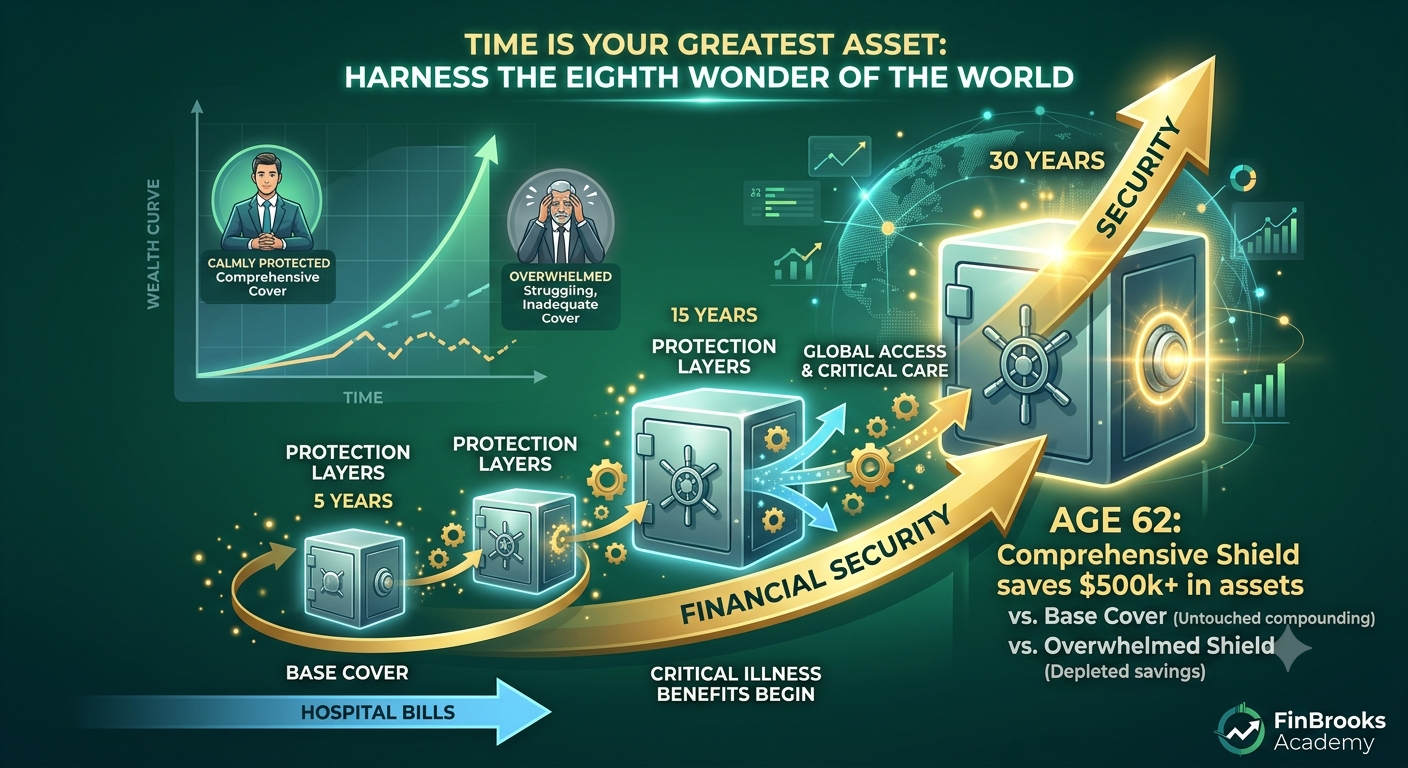
Beyond Basic Mediclaim: Why a Standard Health Policy Isn’t Enough to Protect Your Savings
Most people believe that having a basic health insurance policy from their employer or a standard Mediclaim plan means they are fully protected against medical emergencies. However, while traditional health insurance pays for hospitalization bills, a major health crisis like cancer, heart attack, or stroke often brings massive out-of-pocket expenses that standard policies do not cover.
To protect your hard-earned investments from being wiped out by sudden healthcare costs, you need a two-tier medical safety net. Let us break down the difference between standard health insurance and critical illness cover.
Standard Health Insurance (Indemnity-Based)
Standard health insurance operates on an indemnity basis, it reimburses the actual expenses incurred during hospital stay, surgery, doctor consultations, and medications up to the total sum insured limit.
- How It Pays: Direct payment to the hospital (cashless) or reimbursement based on actual bills.
- What It Covers: Room rent, ICU charges, surgeon fees, pre-and-post hospitalization care.
- Limitations: It only pays if you are hospitalized for more than 24 hours and covers direct medical treatment costs.
Critical Illness Cover (Lump-Sum Benefit)
A Critical Illness Policy is a benefit-based plan. Upon diagnosis of a specified major illness (such as kidney failure, paralysis, or heart failure), the insurance company pays you the entire sum insured in a single, lump-sum payout—regardless of actual hospital costs.
- How It Pays: One-time lump-sum cash payout directly to your bank account upon diagnosis.
- What It Covers: Income loss, specialized home care, lifestyle modifications, experimental treatments, or clearing personal debts while recovering.
- Key Advantage: You have complete freedom to spend the payout money however you need during recovery, without submitting hospital bills.
Policy Comparison
| Feature | Standard Health Insurance | Critical Illness Cover |
| Claim Payout | Reimburses exact hospital bills | Pays a fixed lump sum upon diagnosis |
| Primary Purpose | Covers inpatient hospital treatment | Replaces lost income and covers extra care costs |
| Hospitalization | Mandatory (usually 24+ hours) | Not required; diagnosis report is sufficient |
| Best Used As | Base medical shield | Financial cushion for prolonged illnesses |
FinBrooks Reality Check
A basic health insurance policy protects your income from hospital bills; a critical illness policy protects your total net worth and family lifestyle if you lose your ability to earn during recovery.
Pair a generous base health insurance plan with a dedicated critical illness rider or standalone policy early in life to keep your long-term compounding investments completely untouched.
Stay Ahead of the Market 📈
Subscribe to our weekly newsletter
Get your weekly market summary from FinBrooks Insights and smart financial lessons from FinBrooks Academy delivered straight to your inbox every weekend!